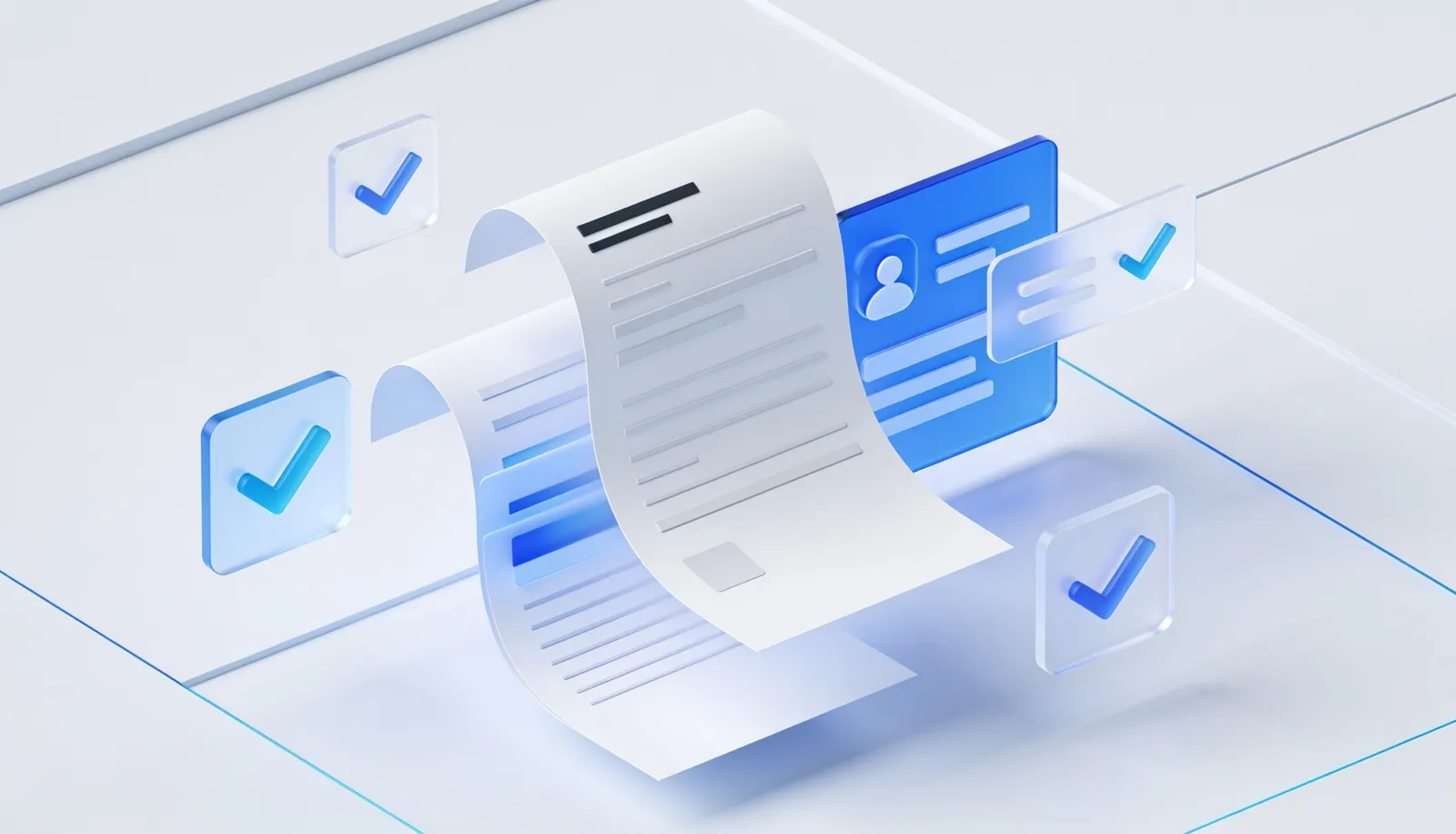
Invoice automation: how finance teams save time (DATEV, Lexware, sevDesk)
How does invoice automation work? From OCR and AI data extraction to review workflows and integration with DATEV, Lexware and sevDesk — a practical guide for finance teams.
Typing up incoming invoices, checking them, approving them, filing them: for many finance teams this is a daily, tedious cycle. Every manually entered invoice costs time and carries the risk of transposed digits, missed early-payment deadlines or lost documents. Invoice automation tackles exactly this: it turns documents into structured data and runs them automatically through review, approval and posting. This guide explains how it works and where the concrete value lies.
The manual effort and its sources of error
Classic invoice handling consists of many small steps that add up:
- Finding the invoice in the inbox or on paper
- Typing in supplier, amounts, tax rates and line items
- Triggering the factual and arithmetic check
- Obtaining approval, often by email
- Posting in the system and audit-proof archiving
Every one of these steps is error-prone. Typos, duplicate invoices, missed due dates or unused early-payment discounts cost real money — and later searching for a specific document eats up even more time.
How invoice automation works
OCR and AI data extraction
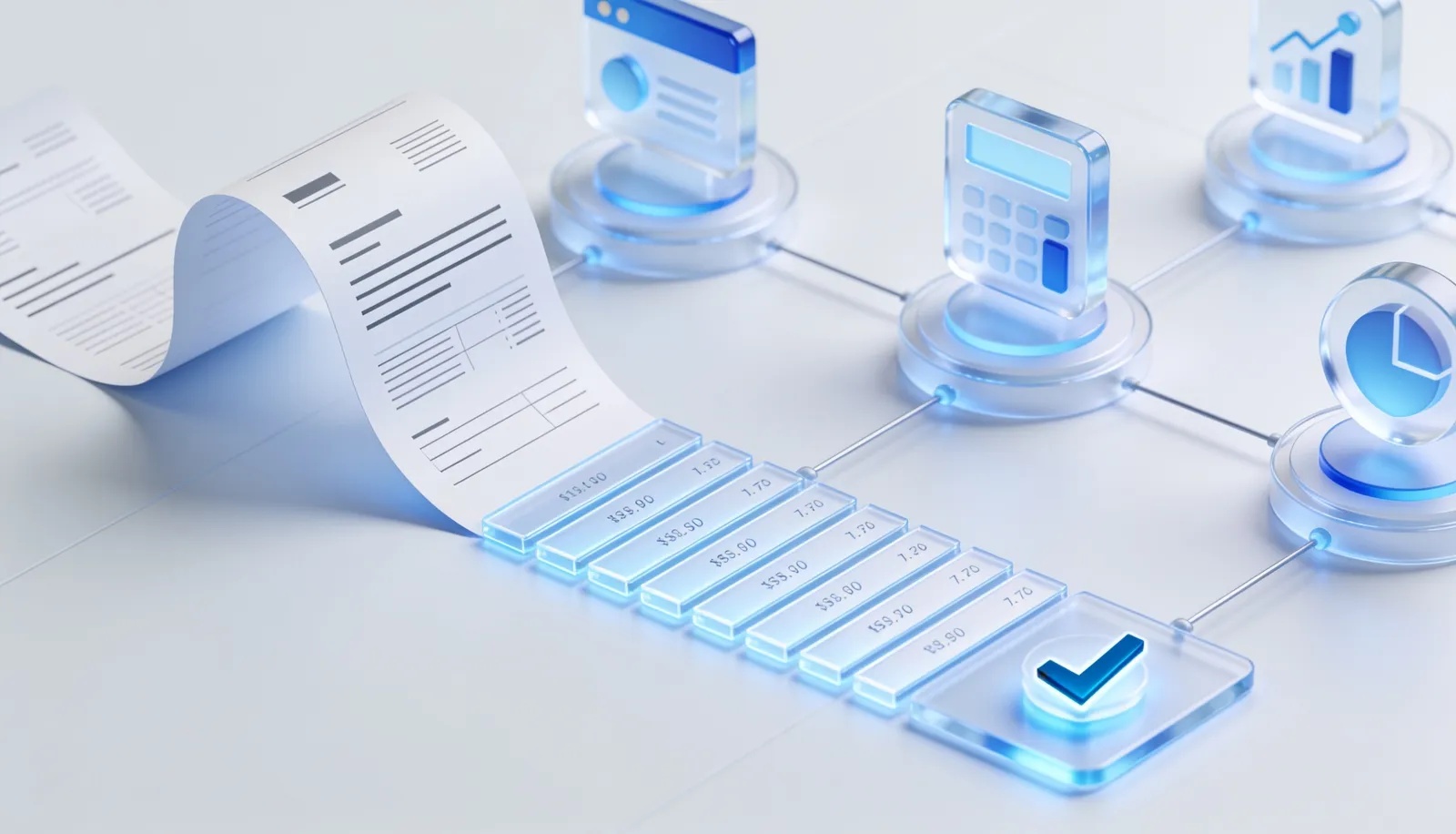
It starts with text recognition (OCR): it reads the document, whether PDF, scan or photo. On top of that sits AI data extraction. It doesn’t just recognise individual words — it understands the structure of an invoice and pulls out the relevant fields specifically:
- supplier, invoice and order number
- individual line items with quantity and unit price
- net and gross amounts, tax rates
- due dates and early-payment (Skonto) terms
Unlike rigid templates, a well-trained AI copes even with unfamiliar invoice layouts. Solutions like invoice-insight combine OCR and AI so a document becomes a checkable data record within seconds.
Review and approval workflow
Extracted data is only half the job — it has to be checked and approved. A digital workflow routes each invoice automatically to the right person, makes the status transparent and documents every decision. Four-eyes principle, value limits and substitution rules can all be mapped cleanly, without email ping-pong.
Direct integration with your accounting system
The real time saving comes when checked data flows into the accounting system without re-typing. Good solutions offer direct integration with common systems such as DATEV, Lexware, sevDesk or myfactory. Posting then happens on the basis of the already-captured data, accounts and cost centres are suggested, and your team only has to confirm rather than re-enter.
This end-to-end path from document to posting is the heart of invoice-insight — the solution is about to go live.
Audit-proof archiving and deadline management
Two aspects are often underestimated but crucial:
- Audit-proof archiving: documents are stored immutably and traceably, including a log of every processing step. This meets legal retention requirements and makes audits more relaxed.
- Deadline management: the system keeps an eye on payment and early-payment deadlines and flags them in good time. That secures discounts and avoids late-payment fees.
What finance teams gain in practice
Automation doesn’t replace expert control — it frees your team from the dull busywork. The benefit shows across several dimensions:
- Less manual entry and therefore fewer transcription errors
- Faster turnaround from receipt to posting
- Clear responsibilities through documented approvals
- Better liquidity control thanks to an overview of due dates
- Less searching through structured, findable archiving
Conclusion
Invoice automation isn’t an end in itself — it’s a direct lever for time, accuracy and peace of mind in the finance team. The path runs from OCR and AI data extraction through transparent review workflows to seamless integration with DATEV, Lexware, sevDesk or myfactory — backed by audit-proof archiving and active deadline management. If you’d like to try this path for your company: invoice-insight is about to go live and shows what end-to-end invoice automation looks like in practice.